Material applications

Turn maharam upholstery project use into purchase requirements

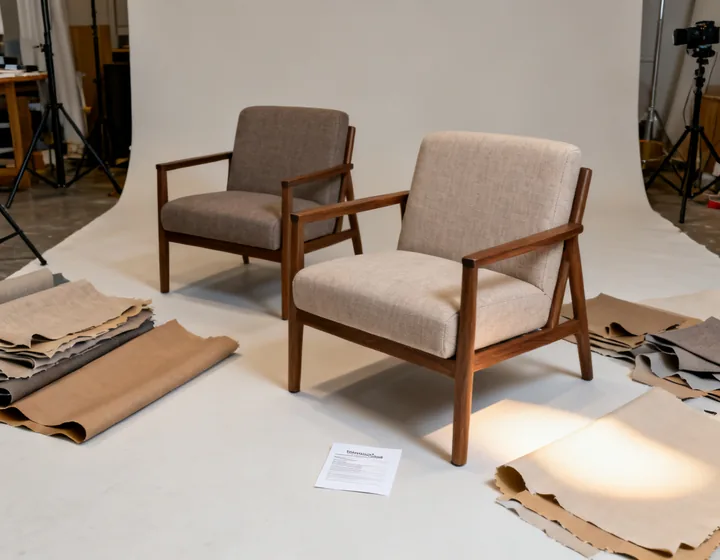
Contract seating mockup with unlabeled fabric cuttings

Application requirements

Describe end use and exposure conditions

State whether the maharam upholstery fabric request is for lounge seating, banquet chairs, wall panels, drapery or a mixed hospitality package. Record occupant contact, cleaning chemicals, sunlight through glass, and whether the piece is indoor only. Outdoor-adjacent terraces need a different finish conversation than lobby sofas. Keep unknowns listed instead of borrowing a previous project’s abrasion number.

Identify the test method and sample condition

Abrasion, pilling, colorfastness, seam slippage and any flame statement must name method, edition, cycles or rating language, specimen conditioning and who pays for the report. A method title copied from a catalog is not a result. If the buyer needs a flame statement, confirm the jurisdiction and the exact furniture type before asking a mill to “meet contract.”

Match quantity, finish and usable width to the application

Pattern matching, railroad vs. up-the-roll cutting, and usable width change yield on patterned weaves. Record yards or meters by color, roll-length preference, and whether backing or soil-release finish is in scope. Delivery stages for mock-up, first production lot and later replenishment should be separate lines so freight and dye-lot policy stay visible. Site constraints such as dock hours belong in the logistics note, not as a mill capability claim.

SelvedgeTrail Procurement maps the project use into RFQ fields. Suitability is confirmed only after samples and method-bound results exist for the proposed article. Alternatives that change coating, pile, or backing can alter sewing, sofas sit, and cleaning instructions even when the visual is close. Stock programs can shorten sampling when GSM, usable width and finish already fit; custom development can align weave and coating but needs explicit minimums, lab-dip or strike-off approvals, and a named reviewer. Neither path is assumed here until the mill response and the retained cutting are compared on the same worksheet.

Prepare the next project decision

Share end use, test basis, quantity and destination with the retained cutting identity.

Enter a first name.
Enter a work email.
Describe the textile brief so quotations can be compared.

By submitting, you agree to the Privacy Policy. We review the brief before any factory outreach.